Fix-and-flip investing has a reputation problem. Too many people associate it with reality TV, aggressive timelines, and overly optimistic projections. At WD Capital, we approach flips the same way we approach any investment: with conservative underwriting, disciplined execution, and a clear exit strategy before we ever make an offer.
Here's how we evaluate every fix-and-flip opportunity that crosses our desk.
Step 1: Sourcing
The best deals rarely hit the MLS. We source opportunities through our broker network, direct outreach to distressed sellers, probate and estate sales, and off-market relationships we've built over years in the California market.
Having a licensed broker on the team (Conner holds an active California real estate license) gives us direct access to deal flow that most investors never see.
Step 2: Comp analysis
Before we even visit a property, we pull comps. We're looking at recent sales within a half-mile radius, focusing on properties with similar square footage, lot size, bed/bath count, and condition (post-renovation).
We use the 70% rule as a starting filter: we won't pay more than 70% of the after-repair value (ARV) minus renovation costs. This builds in a margin of safety from day one.
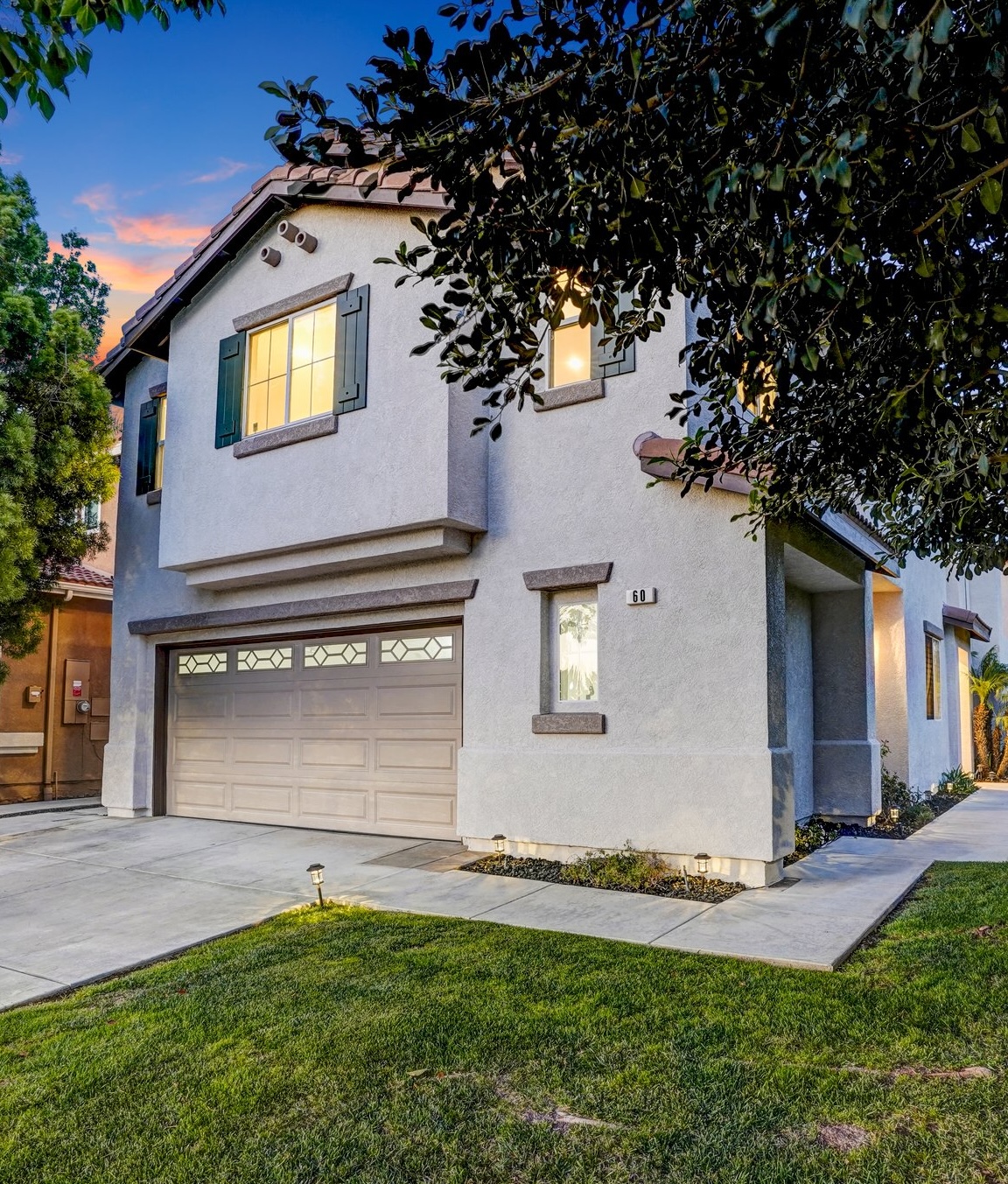
For example, on our 60 Colorado deal in Irvine: - ARV based on comps: ~$2.2M - 70% of ARV: $1.54M - Minus renovation budget ($125K): $1.415M max purchase price - Actual purchase price: $1.65M
We exceeded our 70% threshold on this one, but the comp set was exceptionally strong and the renovation scope was light. The deal still penciled with conservative assumptions and ultimately returned 64% annualized IRR.
Step 3: Renovation scoping
We walk every property with our general contractor before making an offer. We want a detailed scope of work and a line-item budget, not a guess. Key questions we answer:
- What's the minimum renovation needed to hit market comps? - Are there any structural, foundation, or permitting issues? - What's the realistic timeline? - Where can we add the most value per dollar spent?
Kitchens and bathrooms consistently deliver the highest ROI. Curb appeal (landscaping, exterior paint, new front door) is next. We avoid over-improving for the neighborhood.
Step 4: Underwriting the deal
Every deal gets a full financial model. We project:
- Total cost basis: Purchase price + closing costs + renovation + holding costs (interest, taxes, insurance, utilities)
- Net proceeds: ARV minus selling costs (agent commissions, transfer taxes, closing costs)
- Profit and return metrics: Net profit, cash-on-cash return, and annualized IRR based on projected hold time
We stress-test against three scenarios: base case, downside (ARV 10% below comps, timeline 2 months longer), and worst case (ARV 15% below, 3 months longer). The deal must be profitable in the downside scenario.
Step 5: Execution
Once we close, we move fast. Our GC starts work within the first week. We visit the site weekly, track progress against the timeline, and make decisions quickly when issues come up, because they always do.
The goal is to minimize holding costs. Every extra month we hold a property is interest, taxes, and insurance eating into our margin.
Step 6: Disposition
We list the property as soon as renovations are complete and the property is staged. Pricing is based on updated comps, and we work with top listing agents in each market to maximize exposure and offers.
The track record speaks
Across four completed flips, our average hold has been 6 months and our average annualized IRR is 59%. The key isn't finding "home run" deals. It's disciplined execution on solid opportunities.
If you have a property that might be a fit, reach out to us.